
Rush But Don’t Crush is a fast-paced 3-line runner game built in Unity where the player swipes left or right to change lanes, avoid square obstacles, and score as many points as possible.
The gameplay starts simple but becomes progressively more challenging as the run continues. Players must react quickly, choose the correct lane, and avoid crashing into incoming obstacles. The original project describes the game as a fully functional Unity project that is ready for release.
The project provides a lightweight endless runner foundation that can be customized, reskinned, and expanded into a modern hyper-casual mobile game.
Game Overview
Rush But Don’t Crush is based on simple three-lane obstacle-avoidance gameplay.
The player continuously moves forward while square obstacles appear across different lanes. Swiping left or right changes the player’s current line, allowing the player to move into a safe position before reaching an obstacle.
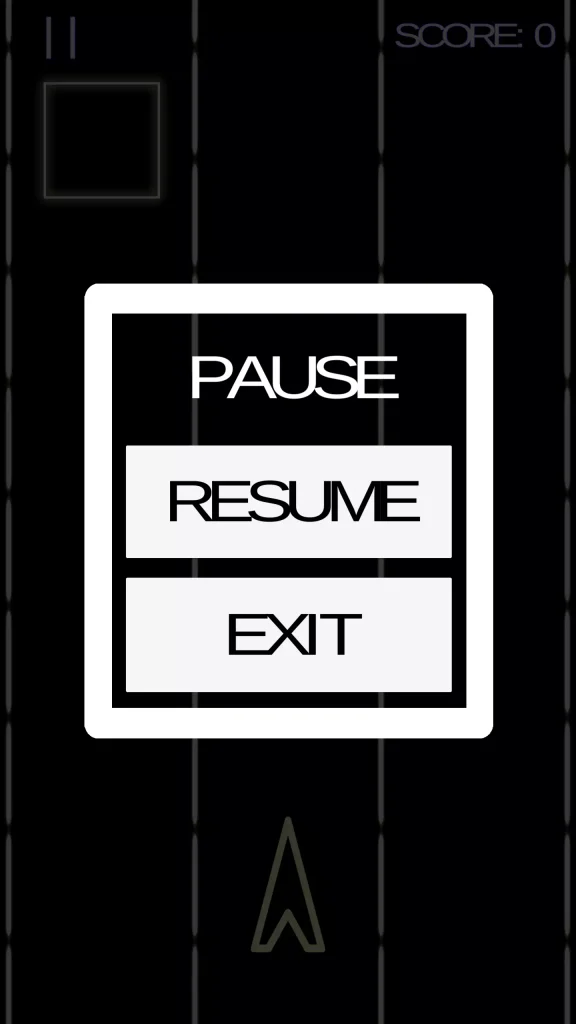

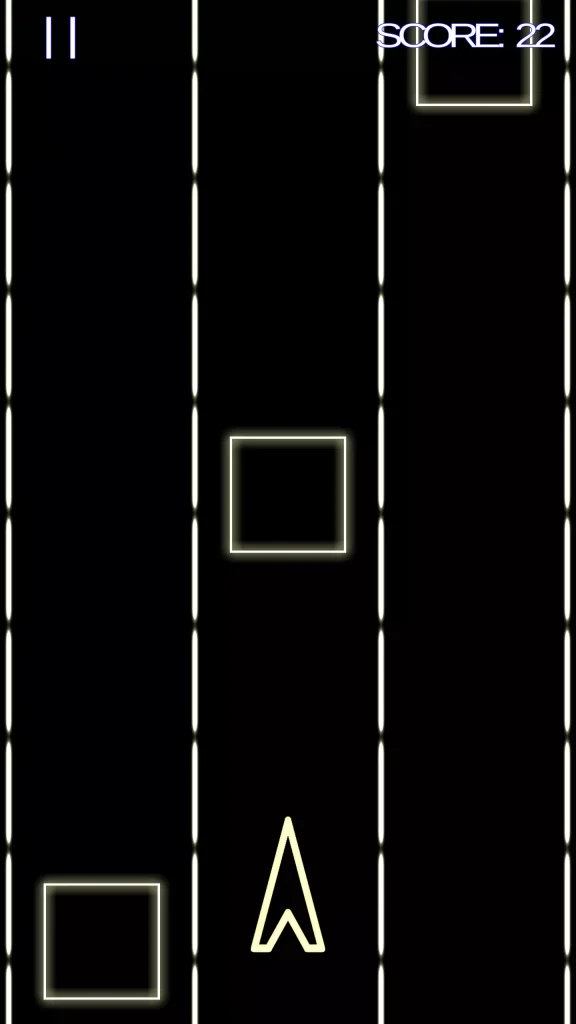
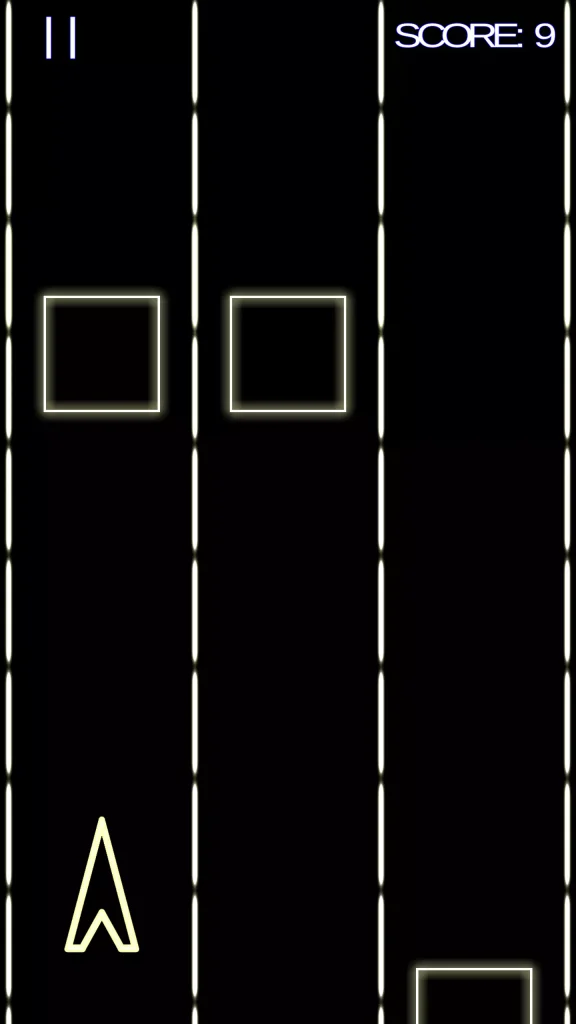
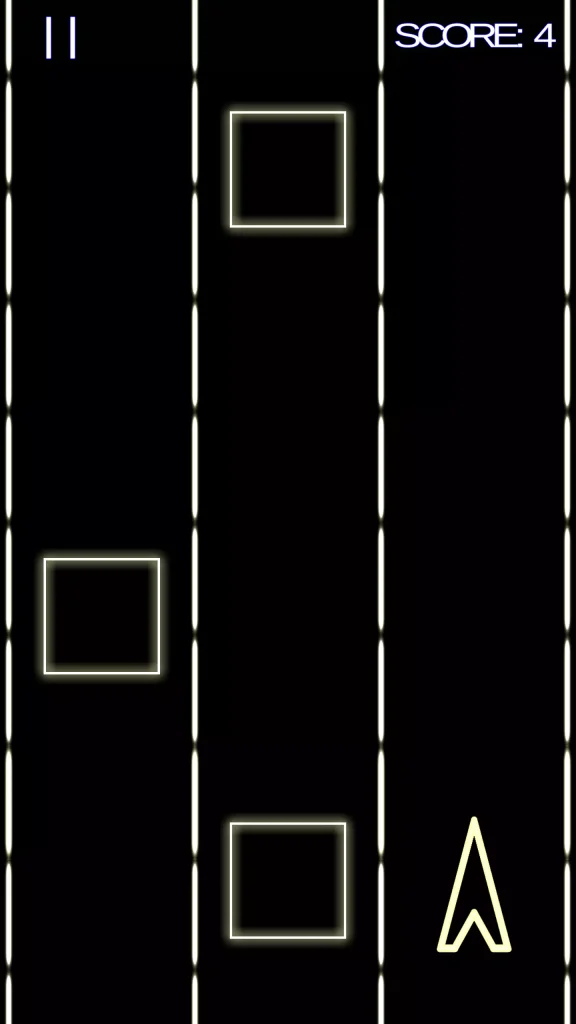
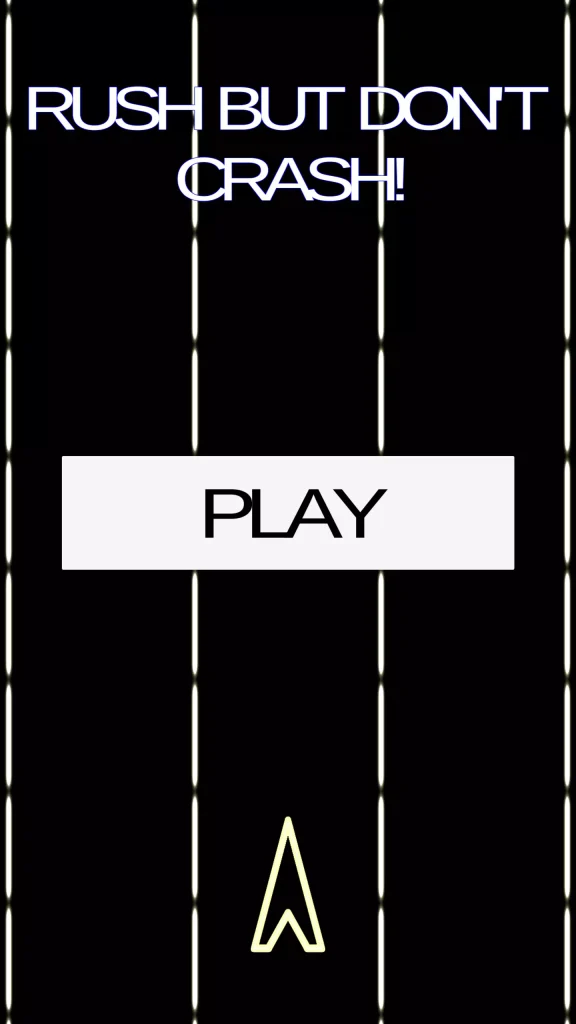

The gameplay combines:
- 3-line runner mechanics
- Swipe left and right controls
- Endless gameplay
- Square obstacle avoidance
- Increasing difficulty
- Score-based progression
- Quick reaction challenges
- Simple arcade controls
- Mobile-friendly gameplay
- Hyper-casual game design
The main objective is simple: avoid the obstacles, survive as long as possible, and achieve the highest score.
How to Play
Playing Rush But Don’t Crush is easy to understand:
- Start the game.
- Watch the lanes ahead.
- Swipe left to move to the lane on the left.
- Swipe right to move to the lane on the right.
- Avoid all square obstacles.
- Continue moving through the three-line course.
- React faster as the game becomes harder.
- Survive as long as possible.
- Try to beat your previous high score.
The original game instructions specifically use left and right swipes for changing lines while avoiding square obstacles.
Three-Line Runner Gameplay
The three-line system is the main gameplay mechanic in Rush But Don’t Crush.
Instead of allowing unrestricted movement across the screen, the player switches between three defined lanes.
This keeps the controls simple while making lane selection important.
Players must constantly decide whether to remain in the current lane or move to another one before reaching the next obstacle.
The three-line structure works especially well for mobile games because it gives players clear movement options without requiring complicated controls.
Swipe Left and Right Controls
Rush But Don’t Crush uses simple swipe controls.
A swipe to the left changes the player’s line toward the left side, while a swipe to the right changes the player’s line toward the right side.
The control system allows players to focus entirely on timing and obstacle positioning.
Developers can customize parameters such as:
- Swipe sensitivity
- Lane-switching speed
- Player movement speed
- Input response time
- Lane spacing
- Movement animation
- Transition smoothing
Changing these values can make the gameplay feel faster, smoother, easier, or more challenging.
Avoid Square Obstacles
Square obstacles are the primary danger throughout the game.
Players must identify which lanes are blocked and move into a safe line before reaching an obstacle.
As more difficult obstacle arrangements appear, the amount of time available to make a decision becomes smaller.
Successful gameplay requires:
- Fast reactions
- Accurate swipes
- Good lane awareness
- Correct timing
- Concentration
- Quick decision-making
The simple obstacle system creates a gameplay loop that is easy to learn but increasingly difficult to master.
Increasing Difficulty
Rush But Don’t Crush becomes harder as the game progresses.
The original project description confirms that the challenge increases during longer runs.
Early gameplay allows players to become familiar with lane switching and obstacle patterns.
As the run continues, players need to respond more quickly to the obstacles ahead.
Progressive difficulty keeps the endless gameplay challenging without requiring traditional levels.
Endless Runner Gameplay
Rush But Don’t Crush uses an endless runner structure.
The player continues moving through the course while avoiding obstacles and increasing the score.
The basic gameplay loop is:
Run → Watch Obstacles → Swipe → Change Lane → Survive → Score → Continue
There is no need for complicated missions or lengthy tutorials.
Players can immediately understand the objective and begin trying to improve their performance.
This makes the project suitable for short mobile gaming sessions.
Score-Based Challenge
The goal is not only to survive but also to achieve the highest possible score.
The original project specifically describes the objective as avoiding obstacles and scoring as much as possible.
A score system gives players a clear reason to replay the game.
Developers can expand the scoring system with:
- High-score saving
- Distance-based scoring
- Survival-time scoring
- Score multipliers
- Combo bonuses
- Daily records
- Online leaderboards
- Achievement rewards
A persistent personal best can make each new attempt more competitive.
Quick Reaction Gameplay
Reaction speed becomes increasingly important during longer runs.
Players need to quickly identify safe lanes and perform the correct swipe before reaching an obstacle.
The simple movement system means the difficulty comes from decision-making rather than complicated controls.
This makes Rush But Don’t Crush suitable for players who enjoy fast arcade games and endless runner challenges.
Hyper-Casual Game Design
Rush But Don’t Crush follows a straightforward hyper-casual gameplay structure.
The core concept can be explained in a few seconds:
Swipe between three lines and avoid the obstacles.
This simplicity makes the project useful for developers who want a ready-made game mechanic that can be visually transformed into another theme.
The game can also be expanded gradually with additional progression, monetization, customization, and reward systems.
Key Features
- Complete Unity game project
- 3-line runner gameplay
- Swipe left and right controls
- Endless obstacle-avoidance mechanics
- Square obstacles
- Increasing difficulty
- Score-based progression
- Quick reaction gameplay
- Simple mobile controls
- Fast arcade gameplay
- Easy-to-understand objective
- Lightweight project structure
- Suitable for customization
- Suitable for reskinning
- Ready-made Unity game foundation
The original publisher describes Rush But Don’t Crush as a fully functional game that is ready for release.
Technical Details
| Detail | Information |
|---|---|
| Game Engine | Unity |
| Game Type | Endless Runner / Hyper-Casual |
| Gameplay Style | 3-Line Obstacle Avoidance |
| Controls | Swipe Left / Right |
| Main Obstacles | Square Blocks |
| Main Objective | Avoid obstacles and increase score |
| Progression | Endless |
| Difficulty | Increases during gameplay |
| Asset Version | 1.0 |
| Original Unity Version | Unity 5.6.6 |
| Asset Store File Size | 478.9 KB |
| Asset Store Release Date | September 20, 2018 |
The official Unity Asset Store currently lists the package as version 1.0, with an original Unity version of 5.6.6, a file size of 478.9 KB, and a release date of September 20, 2018.
Because the source project was originally created using an older Unity version, keeping a backup before upgrading it to a newer Unity release is recommended.
Easy to Customize
Rush But Don’t Crush provides a simple foundation that developers can adapt to their own game idea.
You can customize:
- Player character
- Square obstacles
- Three lanes
- Background
- Environment
- Movement speed
- Difficulty
- Lane switching
- User interface
- Score display
- Main menu
- Game-over screen
- Sound effects
- Background music
- Particle effects
The basic lane-switching system can remain unchanged while the entire visual presentation is redesigned.
Reskin Ideas
The three-line runner mechanic can be transformed into many different game concepts.
Possible reskin ideas include:
- Neon Cube Runner
- Space Lane Runner
- Robot Rush
- Traffic Dodge
- Cyber Runner
- Ninja Dash
- Color Lane Challenge
- Endless Road Runner
- Train Track Escape
- Football Runner
- Monster Chase
- Ice Runner
- Jungle Escape
- Future Highway Runner
- Geometry Rush
Changing the player, obstacles, environment, user interface, sounds, and effects can create a completely different game while preserving the core gameplay.
Add Different Characters
Instead of using a basic player object, developers can introduce unlockable characters.
Possible character ideas include:
- Cubes
- Robots
- Cars
- Spaceships
- Animals
- Ninjas
- Monsters
- Sports characters
- Futuristic vehicles
- Cartoon heroes
Characters can be unlocked through coins, achievements, score milestones, or daily rewards.
Add Coins and Collectibles
Coins can be placed in different lanes between obstacles.
Players would need to decide whether collecting a coin is worth moving toward a more dangerous lane.
Collected currency could unlock:
- Characters
- Skins
- Environments
- Trails
- Visual effects
- Power-ups
- Special themes
This can add a progression system beyond simply improving the score.
Add Power-Ups
Power-ups can make endless runs more varied.
Possible power-ups include:
- Temporary shield
- Invincibility
- Slow motion
- Score multiplier
- Coin magnet
- Extra life
- Obstacle destroyer
- Speed reduction
Power-ups can appear randomly or become available after reaching specific score milestones.
Add More Obstacle Patterns
The three-lane structure allows developers to create many obstacle combinations.
Possible patterns include:
- Left lane blocked
- Right lane blocked
- Center lane blocked
- Two lanes blocked
- Alternating obstacles
- Moving obstacles
- Double obstacle sequences
- Rapid lane changes
- Narrow reaction windows
More advanced patterns can gradually appear as the player’s score increases.
Add Different Environments
Multiple environments can make the endless gameplay more visually interesting.
Possible environments include:
- Neon city
- Space station
- Futuristic highway
- Desert
- Snow world
- Jungle
- Cyber tunnel
- City street
- Sports stadium
- Candy world
- Digital grid
- Underground tunnel
Each environment can use different obstacles, backgrounds, sounds, and visual effects.
Add High Score Saving
A persistent high-score system can strengthen the replay value.
Useful statistics can include:
- Current score
- Best score
- Longest survival
- Highest speed reached
- Total games played
- Total obstacles avoided
- Total distance traveled
Players can compare each new attempt with their previous record.
Add Online Leaderboards
Leaderboards can turn the simple endless runner into a competitive game.
Possible leaderboard categories include:
- Global high score
- Daily high score
- Weekly high score
- Friend rankings
- Longest distance
- Most obstacles avoided
Competitive ranking gives experienced players another reason to continue improving.
Add Missions and Challenges
Missions can provide additional objectives during gameplay.
Examples include:
- Avoid 50 obstacles
- Reach a score of 100
- Survive for 60 seconds
- Collect 25 coins
- Change lanes 50 times
- Reach maximum speed
- Complete a run without using a power-up
Completing missions can reward currency, characters, or cosmetic items.
Improve Visual Effects
Visual effects can make lane switching and obstacle avoidance feel more satisfying.
Developers can add:
- Player trails
- Speed lines
- Lane-change effects
- Obstacle particles
- Collision effects
- Camera shake
- Score popups
- Background animation
- Screen transitions
- Slow-motion effects
These additions can help modernize the appearance of the original project.
Improve Sound Design
Sound effects can make important gameplay events clearer.
Possible audio additions include:
- Swipe sounds
- Lane-change effects
- Score sounds
- Near-miss effects
- Speed increase sounds
- Collision audio
- Game-over sound
- Menu effects
- Background music
Music intensity could also increase as the gameplay becomes harder.
Suggested Improvements
Rush But Don’t Crush can be expanded with modern mobile-game features such as:
- High-score saving
- Online leaderboards
- Coin collection
- Unlockable characters
- Multiple environments
- New obstacle patterns
- Power-ups
- Daily rewards
- Achievement system
- Missions
- Revive system
- Rewarded advertisements
- Particle effects
- Player trails
- Haptic feedback
- Improved sound effects
- Background music
- Modern menus
- Updated mobile UI
- Difficulty modes
These additions can transform the original three-line runner template into a more complete mobile game.
Why This Project Is Useful
Rush But Don’t Crush provides a simple example of a three-line endless runner built with Unity.
Developers can use the project to study and customize systems related to:
- Swipe input
- Lane switching
- Player movement
- Obstacle generation
- Collision detection
- Endless progression
- Increasing difficulty
- Score tracking
- Game-over conditions
- Mobile controls
Its straightforward structure also makes it a useful starting point for creating another endless runner or hyper-casual obstacle game.
Mobile-Friendly Gameplay
The swipe-based controls are naturally suited to smartphones and tablets.
Players only need to swipe left or right to change lines, making the game easy to control with one finger.
A downloadable Android version of Rush But Don’t Crush has also been published by the original developer.
Developers upgrading the source project should test touch responsiveness, screen resolutions, UI scaling, safe areas, Android and iOS build settings, and modern Unity APIs before publishing.
Ready for Reskinning
The three-line gameplay system makes Rush But Don’t Crush suitable for reskinning.
Developers can replace:
- Player graphics
- Square obstacles
- Background
- Lane design
- User interface
- Fonts
- Sounds
- Music
- Visual effects
- Game branding
The same underlying mechanic can therefore support many different endless runner themes.
FAQs
What is Rush But Don’t Crush?
Rush But Don’t Crush is a three-line endless runner Unity game where the player swipes left or right to change lanes, avoid square obstacles, and build a high score.
How do you play Rush But Don’t Crush?
Swipe left or right to move between the three lines and avoid square obstacles. Continue surviving and scoring for as long as possible.
What controls does the game use?
The game uses simple left and right swipe controls to change between lanes.
What is the objective of the game?
The objective is to avoid square obstacles and score as many points as possible.
Does Rush But Don’t Crush become harder?
Yes. The original developer states that the game becomes increasingly difficult as the player progresses.
Is Rush But Don’t Crush an endless runner?
Yes. The project uses an endless runner-style structure centered around avoiding obstacles and continuing the run for a higher score.
Can the project be customized?
Yes. Developers can modify the player, obstacles, lanes, environment, user interface, sounds, difficulty settings, and other gameplay elements.